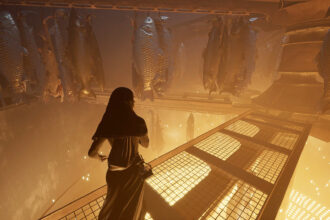






















In this episode of Game Pass Grab Bag, the hosts step into the dark, unsettling world of Routine, the long-awaited survival horror title from Lunar Software that spent an astonishing 13 years in development. From the very start, it’s clear this isn’t just another horror game — it’s a carefully crafted atmospheric experience designed to unsettle players through sound, scale, and silence rather than spectacle.
Scores
Andrew: 90 – Game
Keith: 90 – Game
Aaron: 88 – Game
Average: 89.3
The conversation centers on first impressions, fear responses, and how Routine builds tension not through constant action, but through presence, pacing, and environmental dread.
“This game needs exposure!”
Atmosphere First: Fear as a Design Philosophy
Routine doesn’t chase chaos — it cultivates fear.
The hosts repeatedly emphasize how the game’s audio design and atmosphere do the heavy lifting. From subtle background hums to distant mechanical sounds, every audio cue feels intentional. The tension comes not from what you see, but from what you expect to see.
This slow-burn horror design makes the environment itself feel hostile. Silence becomes threatening. Empty hallways feel alive. Every step feels like a decision.
“The sound design is top-notch!”
Gameplay Mechanics: Tactile, Physical, and Intimate
Mechanically, Routine stands apart through its physical interaction systems. Players don’t simply press buttons — they engage with the world directly. Doors, objects, and tools feel tactile, grounding the horror in realism.
The game refuses to hold your hand. There are no glowing waypoints, no comfort rails, no safety nets. That design choice creates both frustration and immersion, forcing players to learn the space rather than follow it.
Fear isn’t scripted — it’s learned.
Visual Identity: Retro Sci-Fi Dread
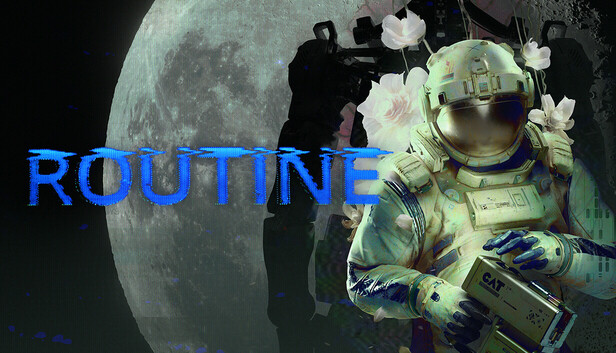
Visually, Routine leans into a 70s sci-fi aesthetic, blending retro futurism with sterile emptiness. The design feels cold, mechanical, and isolated, creating a visual tone that reinforces the psychological horror.
This isn’t flashy horror — it’s clinical, lonely, and oppressive. The environment tells a story without dialogue, using lighting, space, and scale to make the player feel small and exposed.
Storytelling Through Environment
Rather than cinematic cutscenes, Routine delivers its narrative through audio logs and environmental storytelling. The story unfolds slowly, inviting players to piece together the mystery rather than consume it passively.
This approach keeps engagement high without breaking immersion. The player becomes an investigator, not a spectator.
Fear That Feels Earned
One of the strongest points raised by the hosts is how Routine handles jump scares. Instead of cheap shock tactics, the game builds fear through anticipation.
When scares happen, they feel earned.
“I threw my controller!”
It’s not chaos — it’s consequence.
Final Thoughts
Routine isn’t designed for casual horror fans.
It’s built for players who appreciate slow tension, psychological pressure, and atmospheric dread over constant action.
From its immersive sound design to its tactile mechanics and eerie visual identity, the game feels intentional in every design choice. The 13-year development cycle shows not in scope, but in precision.
The hosts agree on one thing clearly:
Routine isn’t just good.
It’s important for the horror genre.
A reminder that fear doesn’t need explosions, monsters, or spectacle — it just needs silence, space, and sound.
And sometimes…
“I threw my controller.”