























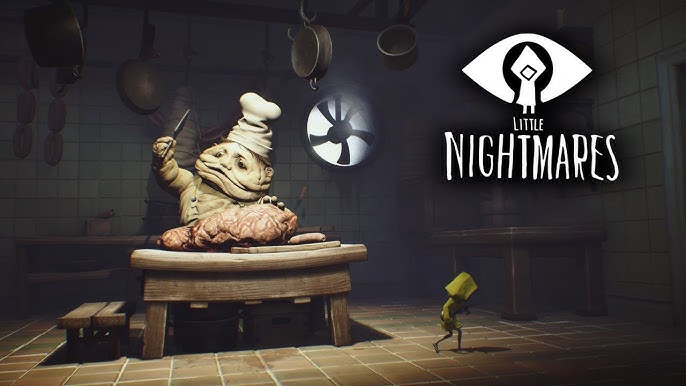
In this episode of Game Pass Grab Bag, the hosts dive into Little Nightmares, the haunting horror platformer from Tarsier Studios. From the very first moments, the game establishes a striking tone — unsettling, quiet, and deeply atmospheric. Rather than relying on traditional horror tropes, Little Nightmares builds its identity through visual storytelling, sound design, and mood.
Scores
Andrew: 78 – Pass
Keith: 75 – Pass
Aaron: 84 – Game
Average: 79.0
While reactions among the hosts vary, one thing is unanimous: the game’s presentation is unforgettable.
“This game is a vibe!”
Atmosphere & World Design
The world of Little Nightmares is its strongest character. Every environment feels intentional, eerie, and heavy with implied meaning. The game doesn’t explain its world through dialogue or exposition — it lets players feel it.
The environments tell their own story through scale, lighting, and visual symbolism, creating a constant sense of vulnerability and unease. This ambiguity becomes part of the experience, allowing players to interpret the narrative in their own way.
“This game looks really cool!”
It’s a world that feels alive, but not welcoming — a place that invites curiosity while quietly pushing players away.
Gameplay Mechanics
Gameplay in Little Nightmares is intentionally simple: movement, timing, puzzle-solving, and stealth. The mechanics are easy to understand, but execution can be punishing.
Precision timing and trial-and-error moments create tension, but also frustration for some players. The lack of hand-holding means success comes from observation, patience, and experimentation rather than instruction.
For some, this design creates immersion. For others, it creates friction.
This contrast is a core part of the game’s identity — minimal systems, maximum mood.
Storytelling & Interpretation
The narrative of Little Nightmares is deliberately ambiguous. There are no direct explanations, no clear motivations, and no defined moral structure. Instead, the story unfolds through symbolism, imagery, and environmental cues.
Players are left to interpret meaning on their own — a design choice that some find compelling and others find unsatisfying. The lack of clarity isn’t accidental; it’s foundational to the experience.
DLC and sequels promise deeper lore, but the base game stands as a mysterious, interpretive experience rather than a narrative-driven one.
Sound Design & Visual Identity
Sound design is a standout feature. Audio cues, ambient noise, and subtle effects constantly reinforce tension and unease. Silence is used just as effectively as sound, creating emotional contrast and psychological pressure.
Visually, the game is stunning. Its art direction blends surrealism with horror, creating a look that feels timeless rather than dated. Character design, environmental scale, and animation all contribute to the game’s unsettling identity.
“I thought this was great!”
The visual and audio pairing is where Little Nightmares truly shines.
Final Thoughts
Little Nightmares is a game defined more by feeling than function. It isn’t built around complex mechanics or deep systems — it’s built around atmosphere, tone, and mood.
The hosts’ reactions reflect what many players experience: some fall in love with its vibe and presentation, while others struggle with its pacing, mechanics, and ambiguity.
It’s short, visually striking, and emotionally distinctive — making it an ideal palate cleanser for players looking for something different.
For those who enjoy atmospheric storytelling, environmental narratives, and interpretive horror, Little Nightmares delivers a memorable experience. For players seeking mechanical depth or clear narrative structure, it may feel limited.
Either way, it’s a game that leaves an impression — and that alone gives it staying power.