




















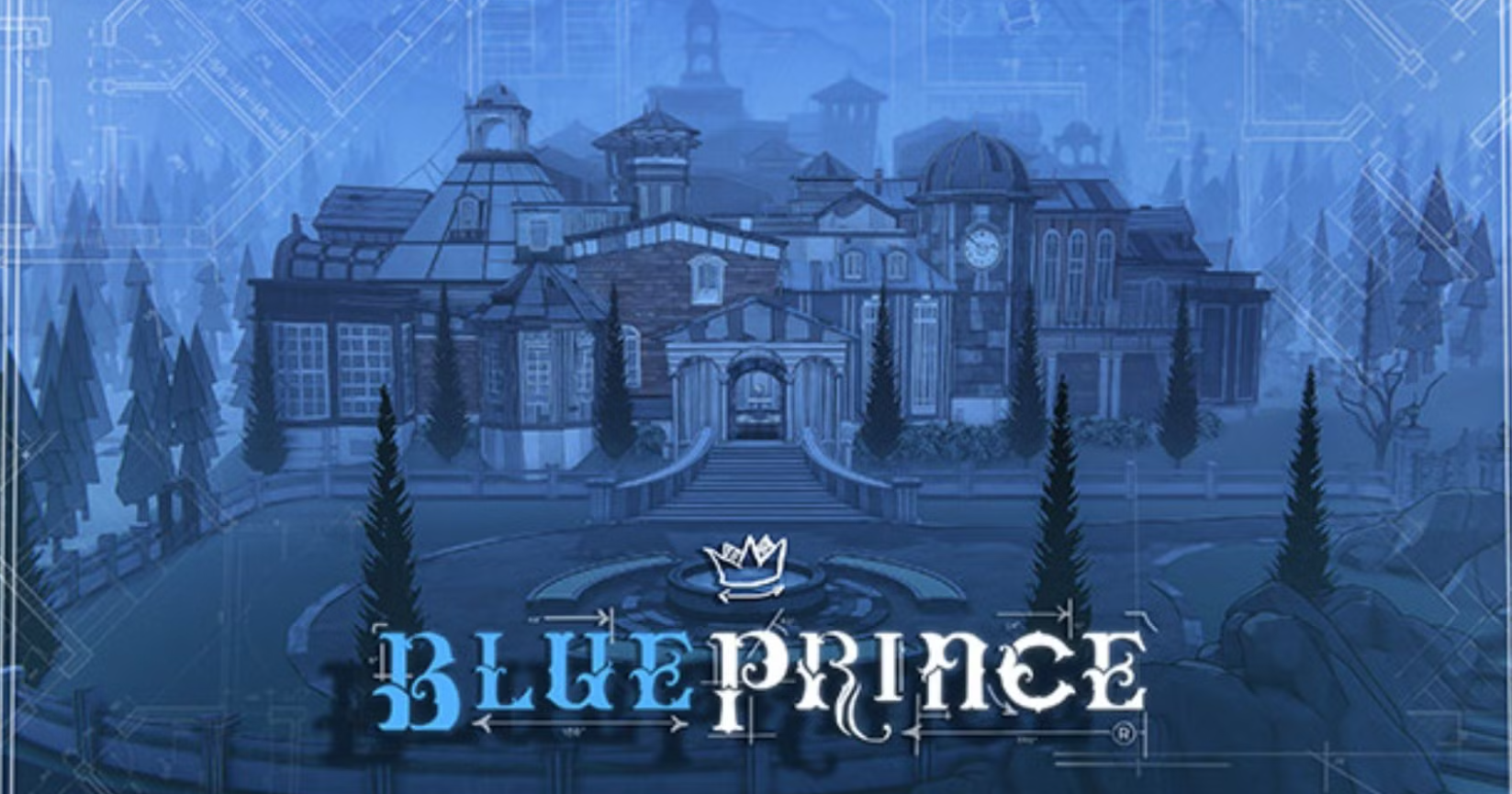
In the latest episode of Game Pass Grab, the hosts dove into Blue Prince, an indie puzzle game that delivers a unique experience centered around navigating a shifting, semi-haunted mansion in search of the elusive Room 46. As expected from any good puzzle game, Blue Prince is filled with moments of clever discovery—but also plenty of head-scratching frustration.
Whether you’re a puzzle game pro or a casual player looking for a challenge, this title offers something different. And as the hosts quickly discovered, your enjoyment of Blueprints may depend on how much patience (and love for escape rooms) you bring to the table.
Scores
Andrew: 90
Keith: 88
Aaron: 71
Average: 83.0
A Game of Exploration, Strategy, and Frustration
At its core, Blue Prince is a first-person puzzle game wrapped in roguelike mechanics. Players must explore procedurally generated rooms, solve puzzles, and figure out the path to Room 46—all while working with very little guidance. The game mixes RNG room drafting with a meta-puzzle feel, requiring players to experiment, adapt, and piece together the logic that drives the mansion’s layout.
Some rooms present clear puzzles, while others feel like red herrings. Not all need to be solved to reach the end, which can leave players wondering: “Did I just waste time here?” It’s that ambiguity—intentional or not—that makes Blue Prince both mystifying and maddening.
“This game feels like an escape room,” one host noted, summarizing the game’s tight, cerebral style.
Three Hosts, Three Very Different Takes
What made this episode stand out was the diversity of opinions among the hosts. One host loved the intricate challenge, describing the game as a “fantastic puzzle experience.” Another struggled with the lack of guidance and unclear objectives, calling it “a definite pass.” The third host sat in the middle, intrigued by the story but frustrated by its obscurity.
This spread of reactions mirrors the broader community response to Blue Prince. Some players love the DIY logic, note-taking, and slow sense of discovery. Others bounce off hard, especially if they’re used to games that offer more handholding or clear progression paths.
Storytelling Through Atmosphere, Not Dialogue
While Blue Prince has a story, it’s fragmented and cryptic. Notes scattered throughout the mansion hint at something larger, but the narrative doesn’t unfold in a traditional way. Players are encouraged to piece together meaning themselves, often by interpreting visual clues, colors, or recurring symbols.
This style isn’t for everyone. For some, it’s deeply rewarding—an immersive experience where the story feels earned. For others, it’s vague and disorienting, leading to disengagement rather than curiosity.
“The story is very intriguing to me,” said one host. “I want to figure this out.”
Design Choices That Define the Experience
The game’s art style and music enhance the slightly creepy, mysterious vibe. It’s not horror, but there’s an unsettling feeling to wandering rooms without knowing what they do or what’s coming next. This makes exploration feel tense, especially when you’re unsure if you’re moving toward progress—or a dead end.
The minimal meta progression, a hallmark of roguelikes, is where Blueprints falls short for some. Dying or resetting doesn’t feel very rewarding, which makes repeated runs feel more like a punishment than an opportunity to learn. For a genre that thrives on iteration, this can be a problem.
That said, the game rewards observation and experimentation. If you’re willing to take notes, test theories, and approach each room like a clue in a bigger puzzle, there’s real satisfaction to be found.
Accessibility and Subjective Enjoyment
Blueprints isn’t universally accessible—not in the sense of technical features, but in design philosophy. It assumes players are willing to invest time, endure failure, and seek joy in confusion. This makes it a tough sell for players looking for more structured or linear experiences.
And yet, for some, that’s exactly what makes it special.
“I really enjoy Blue Prince,” one host shared. “This is why I love this game.”
Final Thoughts: A Game That Asks You to Work for It
Blueprints is a bold entry in the puzzle and roguelike space. It doesn’t guide you. It doesn’t explain much. And it doesn’t care if you’re frustrated. But if you enjoy puzzling things out on your own, if you love the idea of slowly unraveling a mystery hidden in room mechanics and cryptic notes, then Blue Prince might just be your next obsession.
For others, the randomness, lack of clarity, and minimal feedback might prove too frustrating.
TL;DR Takeaways
- First-person puzzle game with escape room vibes
- Players must navigate a shifting mansion to find Room 46
- Gameplay mixes RNG and strategy, requiring exploration
- Meta progression is minimal, which may deter roguelike fans
- Not all puzzles are required, adding to ambiguity
- Story is intriguing but hard to follow
- Art and music help create a moody, mysterious atmosphere
- Mixed reactions from the hosts reflect the subjective nature of the game
- Great for puzzle lovers who enjoy figuring things out without guidance
- Available now on Game Pass
Final Rating?
It depends on the player. For puzzle fans, Blueprints is a clever, challenging gem. For others, it may just be a beautiful, confusing mess. Either way, it’s a conversation starter—and that’s always a sign of a game worth trying.
🎧 Catch the full discussion on this week’s Game Pass Grab podcast and let us know: Is Blue Prince a brilliant design or a frustrating flop?