





















Some games grab your attention with massive worlds and cinematic storytelling. Others do it with a strange little world that looks adorable until you realize things are considerably darker than they first appear.
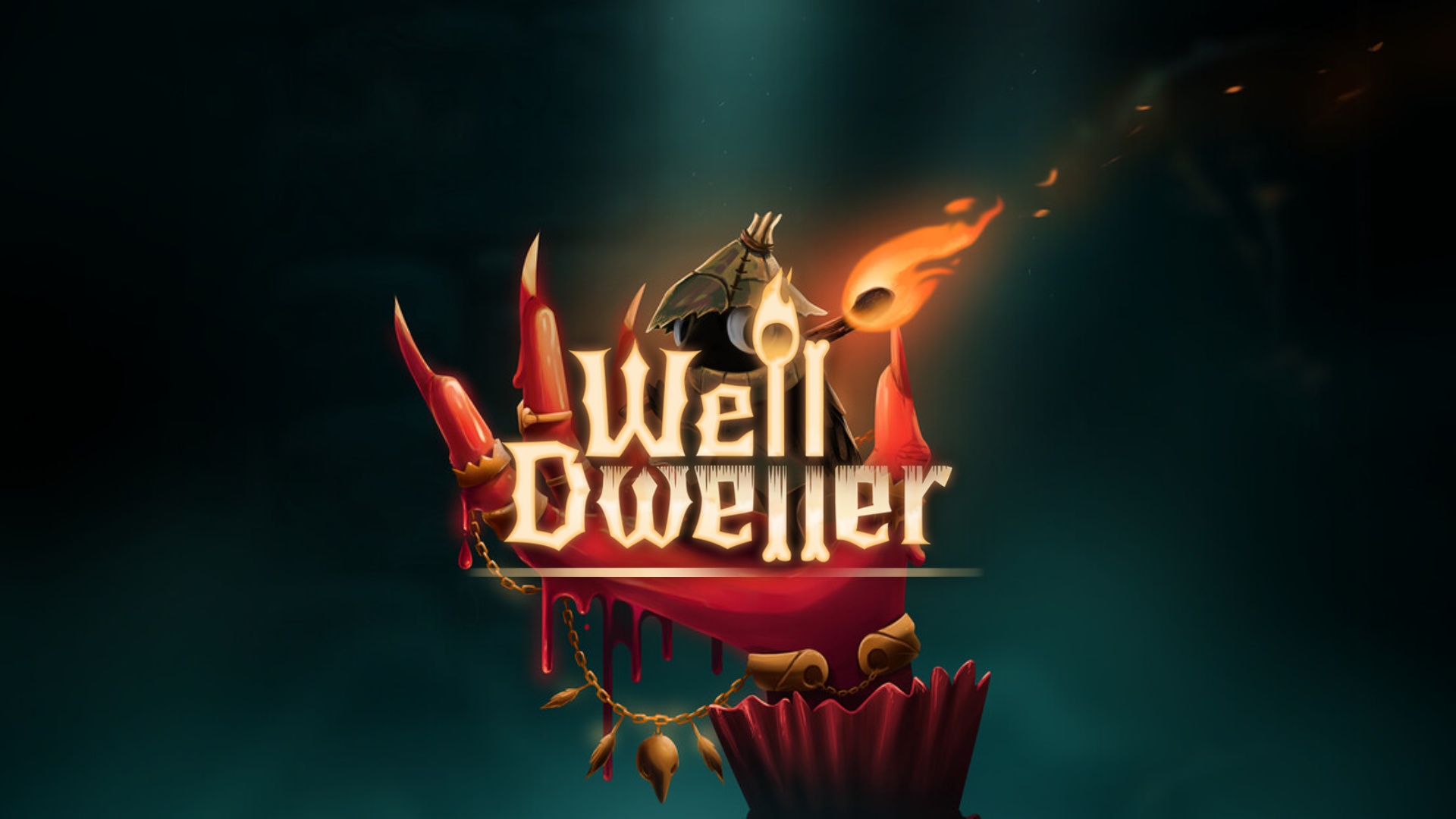
Well Dweller, an indie game by Kyle Thompson, leans into that second approach, combining a distinctive art style with Metroidvania exploration, challenging boss fights, and a world that blends cute characters with darker themes.
It’s a combination that gives the game an identity of its own. Beneath its charming exterior is an adventure built around exploration, discovering new abilities, overcoming obstacles, and gradually learning how its world fits together.
And while Metroidvanias are hardly an undiscovered genre, the best entries understand that a familiar formula can still feel fresh when the design has enough personality.
Gameplay: The Metroidvania Formula
At its core, Well Dweller follows the Metroidvania tradition of exploration, progression, and discovery.
These games typically give players a connected world filled with obstacles they can’t overcome immediately. As new abilities become available, previously inaccessible areas open up, encouraging players to revisit locations and discover hidden paths.
That structure makes exploration feel rewarding. Progress isn’t always about moving forward to the next level. Sometimes it’s about remembering that strange passage you couldn’t reach earlier and returning once you have the right ability.
For Well Dweller, that genre framework provides the foundation for its gameplay.
The appeal comes from the combination of movement, exploration, combat, and gradual progression. Each new discovery has the potential to change how you approach the world around you.
A Cute World With a Dark Side
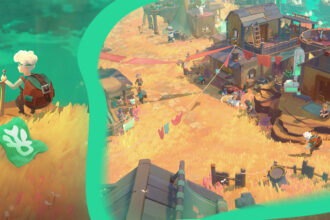
One of Well Dweller’s biggest strengths is its art direction.
“The art style is fantastic, blending cutesy with dark themes.”
That contrast gives the game a memorable visual identity. Cute character designs can make a world feel welcoming, but pairing them with darker environments and themes creates a different kind of atmosphere.
The result is a world that can feel charming and unsettling at the same time.
This balance matters because visual identity is a major part of what makes an indie game stand out. A familiar genre can become much more interesting when the world has a distinct personality, and Well Dweller’s combination of adorable and dark elements helps establish that personality.
It also creates an interesting tension between how the game looks and what it asks players to face.
Don’t let the cute exterior fool you. There’s a challenge waiting underneath.
Storytelling and Character Development
Beyond its gameplay, Well Dweller incorporates storytelling and character elements to give its world additional context.
Narrative can be particularly effective in a Metroidvania because exploration naturally encourages curiosity. Players want to know what’s beyond the next obstacle, but they may also want to understand the world they’re exploring and the characters who inhabit it.
The trick is balancing that curiosity with the pace of the gameplay.
A story can provide motivation for exploring, while the world itself can communicate information through its environments and discoveries. When those elements work together, players can feel as though they’re uncovering the story rather than simply stopping to listen to it.
Well Dweller’s overall design raises an important question for indie developers: how much story does a game need to deliver a memorable experience?
The answer depends on the game, but narrative works best when it complements the adventure rather than competing with it.
Boss Battles: Challenge With a Purpose
Boss fights are often the moments when a Metroidvania’s mechanics really come together.
Regular enemies help players learn the basics, but bosses ask them to put those lessons into practice. They test timing, pattern recognition, movement, and the ability to react under pressure.
Well Dweller’s boss encounters stand out as an important part of the experience.
“Boss fights are well-designed and add a lot of fun challenge.”
That’s an encouraging sign for a game built around exploration and combat. A good boss fight should feel demanding without becoming an arbitrary wall that stops progress.
The best encounters reward players for paying attention, learning patterns, and adapting their approach. Defeating a boss then becomes more than simply clearing an obstacle. It’s evidence that you’ve learned how to handle the challenge.
For players who enjoy mastering difficult encounters, well-designed bosses can become some of the most memorable moments in the entire adventure.
Difficulty and Accessibility: More Players Welcome
Difficulty is a familiar balancing act in action games.
Some players enjoy a demanding experience that requires repeated attempts to master a boss. Others want to explore the world and enjoy the story without hitting a wall that prevents them from progressing.
Accessibility options can help accommodate those different preferences.
“Accessibility options make the game welcoming for new players.”
That’s an important part of Well Dweller’s appeal. Providing options can make an experience more approachable without taking away the challenge for players who want it.
Accessibility isn’t simply about making a game easier. It’s about giving more people ways to engage with it, whether they need adjustments to overcome a particular barrier or simply prefer a different level of challenge.
For indie developers, this is a valuable design lesson: accessibility deserves consideration from the beginning, not just as a final polish step.
When implemented thoughtfully, these options can help a game reach a broader audience while preserving the experience that makes it special.
Game Design: Familiar Foundations, Individual Personality
Metroidvanias share a recognizable set of design principles, but the genre leaves plenty of room for creativity.
A developer can experiment with movement abilities, world structure, combat, environmental storytelling, and the way players gradually unlock new possibilities.
Well Dweller’s combination of distinctive visuals, exploration, boss encounters, and accessibility demonstrates how several design priorities can contribute to a unified experience.
The broader lesson is that a game doesn’t necessarily need to reinvent its genre to stand out.
Sometimes, strong execution and a memorable identity are enough.
A unique art style attracts attention. Well-designed encounters keep players engaged. Progression encourages exploration. Accessibility options help more people experience the adventure.
When those elements support one another, the result can feel cohesive even when the underlying formula is familiar.
Achievements and Game Length
Achievements provide another reason for players to explore everything Well Dweller has to offer.
In a Metroidvania, optional discoveries and challenges naturally lend themselves to completion goals. Players may want to uncover hidden areas, defeat challenging enemies, or experience everything the game makes available.
Achievements can give those goals a little extra structure.
Game length is another consideration, especially for players deciding which indie adventures deserve their time. A game’s value isn’t determined entirely by how many hours it takes to finish. A focused adventure with strong pacing and satisfying encounters can leave a bigger impression than a longer game filled with repetition.
For Well Dweller, the important question is how effectively its exploration, combat, and progression combine to make the journey worthwhile.
What Works
- Distinctive art direction: The blend of cute characters and darker themes gives the game a memorable identity.
- Metroidvania exploration: The genre’s emphasis on discovery and progression provides a satisfying foundation.
- Well-designed boss battles: Challenging encounters give players opportunities to test their skills.
- Accessibility options: Player-friendly options help make the adventure more welcoming.
- Indie creativity: The game’s visual identity and design choices help it stand apart from more conventional action games.
- Achievement potential: Exploration and optional challenges give completion-focused players additional goals.
What Doesn’t
Based on the discussion notes provided, there aren’t enough specific criticisms to identify clear weaknesses without speculating.
Potential areas to evaluate include how the story develops, whether the difficulty remains balanced throughout the adventure, and how much meaningful content the game offers. These are useful considerations for a Metroidvania, but they shouldn’t be treated as confirmed flaws without more detail from the episode.
Final Thoughts
Well Dweller sounds like the kind of indie adventure that understands the importance of personality.
Its Metroidvania foundations give players a familiar framework for exploration and progression, while its combination of cute visuals and darker themes helps create a distinctive atmosphere. The boss fights add a satisfying challenge, and the accessibility options make the experience more inviting to players with different preferences.
The most encouraging aspect is how these elements support different parts of the experience. The art creates curiosity, exploration encourages discovery, bosses test what you’ve learned, and accessibility options help more players enjoy the journey.
It also offers a useful reminder for game designers: you don’t have to reinvent a genre to make something memorable. You need to understand what makes that genre work, then give players a reason to care about your particular take on it.
For fans of Metroidvanias, indie adventures, and games that balance charming visuals with darker themes, Well Dweller looks like an experience worth investigating.
Sometimes the most interesting adventures are hiding in the strangest places.