
















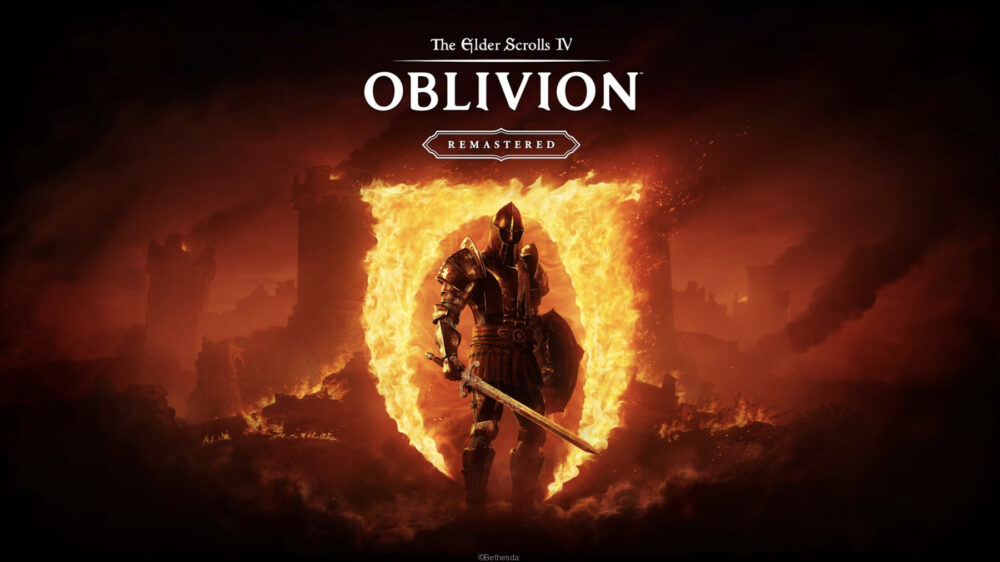
The Game Pass Grab Bag crew recently dove deep into the world of The Elder Scrolls IV: Oblivion, sparked by its remastered release. What followed was a nostalgia-fueled, delightfully chaotic conversation about one of the most iconic RPGs ever made. From its quirky mechanics to its deep lore, Oblivion remains a cornerstone of modern role-playing games—even if it still can’t quite figure out how jumping should work.
Scores
Andrew: 90
Keith: 82
Aaron: 80
Average: 84.0
A Grandfather of Modern RPGs
Oblivion was, and in many ways still is, the blueprint for the open-world RPG. Before Skyrim turned dragons into memes and Fus Ro Dah-ed its way into pop culture, Oblivion laid the groundwork with its sprawling fantasy world, deep faction systems, and player-driven narrative.
The hosts agreed: this game is the grandfather of modern RPGs. Its DNA can be found in nearly every Western RPG released since 2006. Despite its age—and yes, its infamous “jank”—Oblivion still manages to draw players in with charm, humor, and ambition that many modern titles struggle to replicate.
“This game has a lot of jank to it… but that’s part of the charm.”
Nostalgia, Now in HD
The remaster gives Oblivion a much-needed visual refresh, applying a “nice coat of paint” without altering the essence of what made the original beloved. While the updated graphics don’t fully hide some of the game’s age (yes, the facial animations are still… something), they offer just enough polish to invite new players and satisfy returning fans.
“This is how remasters should be done.”
Still, nostalgia is doing a lot of heavy lifting. The discussion acknowledged that some elements—world leveling, clunky combat, and repetitive Oblivion Gates—haven’t aged as gracefully.
“Nostalgia can cloud the perception of older games’ graphics and mechanics.”
Modding, Factions, and Fan Passion
The modding community remains a core pillar of Oblivion’s legacy. From quality-of-life improvements to full-on expansions, Bethesda’s games thrive in part because of the passionate community behind them.
Factions like the Dark Brotherhood continue to captivate players, providing multiple paths and deep roleplaying opportunities. The ability to join multiple factions, even conflicting ones, was revolutionary—and still adds to the game’s replay value.
“You can see Skyrim in Oblivion—but Oblivion did it first.”
Mechanics: Love It or Laugh at It
The gameplay systems received mixed reviews. Character creation and the leveling system—though complex—were seen as both brilliant and frustrating. Players can craft wildly different character builds, but the game’s world leveling system sometimes punishes progress by scaling enemies with the player, diluting the sense of growth.
“World leveling can frustrate players by negating the feeling of progression.”
Then there’s the infamous jumping mechanic, which one host labeled a “cardinal sin” for its inconsistency.
“Jumping mechanics in games should adhere to universal standards.”
Despite its mechanical quirks, Oblivion’s gameplay loop—especially when enhanced by mods—remains addictive.
Voice Acting, Achievements, and the Shivering Isles
Voice acting in Oblivion gets a lot of flak (hello, 10 actors for 1000 characters), but it somehow works. The hosts highlighted the unintentional humor as part of the experience—alongside achievements that are “easy to obtain” and DLCs like Shivering Isles, which earned a unanimous “highly recommend.”
“This game is unintentionally funny, adding to its appeal.”
“This game has one of the best DLCs.”
Why Oblivion Still Matters
Whether you’re an old-school fan or a curious newcomer, Oblivion Remastered offers a fascinating blend of nostalgia and enduring gameplay. Its legacy continues through modern RPGs, passionate fans, and a modding scene that refuses to let the game die.
Despite the jank—or maybe because of it—Oblivion stands as a testament to ambitious game design and storytelling. Its world is weird, its mechanics are wonky, and its voice acting is meme-worthy. But it’s also heartfelt, immersive, and unforgettable.
“Overall, Oblivion remains a significant title in RPG history.”
Ready to jump (awkwardly) into Tamriel again? The gates are open—and maybe this time, you won’t mind closing them.