


















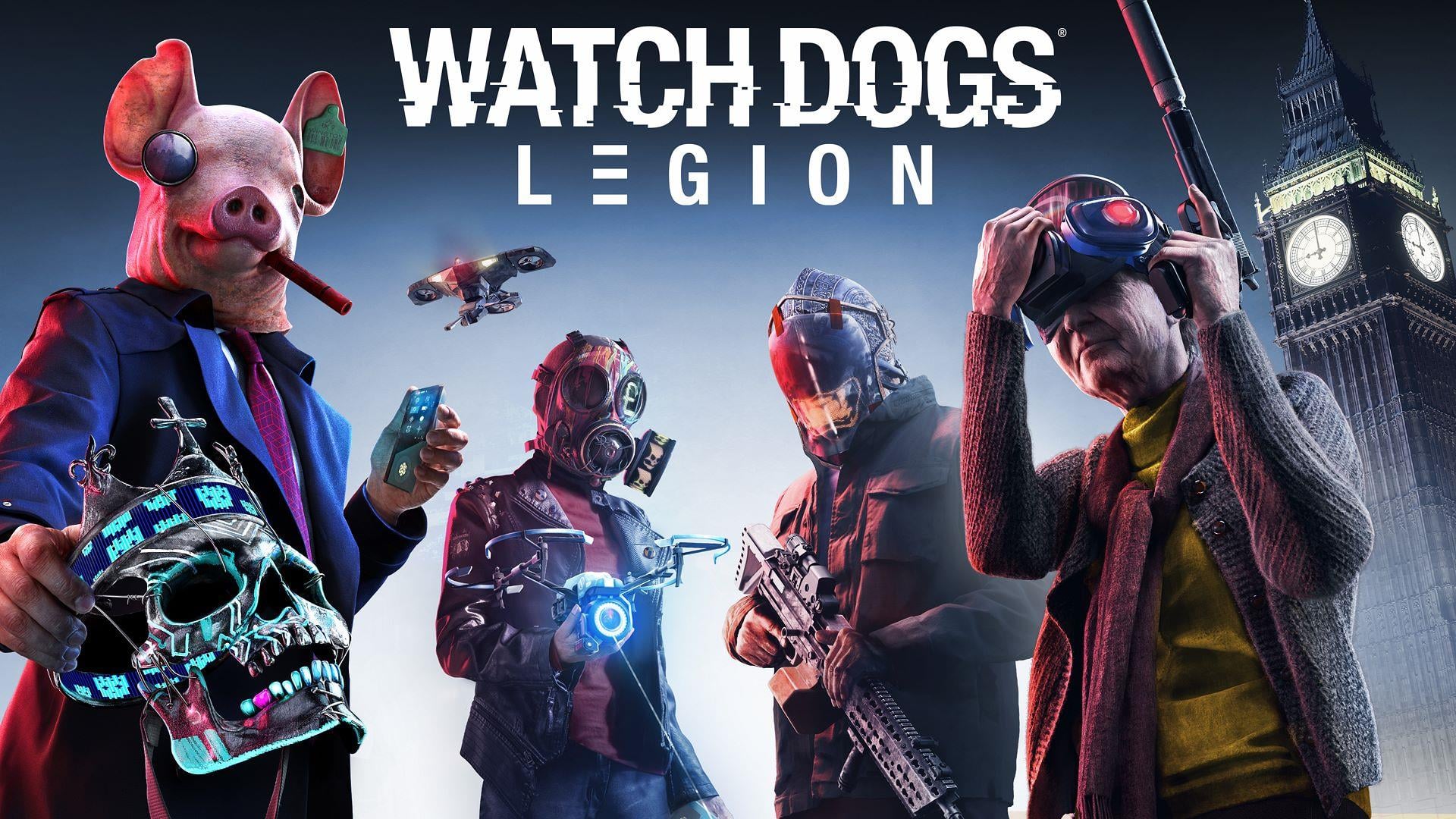
In this episode of Game Pass Grab Bag, the hosts dig into Watch Dogs: Legion, the third installment in Ubisoft’s open-world hacking franchise. What was supposed to be an innovative leap—where any NPC could become a playable character—turned into what the hosts describe as a frustrating, repetitive, and emotionally disengaging experience.
“I hated Watchdog legions.”
“This game was kind of a disaster.”
Scores
Andrew: 60
Keith: 71
Aaron: 48
Average: 59.7
Procedural Generation: Bold Idea, Flat Execution
One of the game’s most talked-about features—its procedurally generated characters—quickly became its biggest flaw. By removing a central protagonist, Watch Dogs: Legion sacrifices character development and meaningful story arcs. What’s left is a city full of faces you control but never care about.
“It’s just soulless writing.”
“Procedural generation leads to a lack of attachment to characters.”
The permadeath option, intended to add weight to your choices, falls flat due to poor balancing and exploitable AI. You can easily recruit someone new and keep playing with minimal consequences—diluting the emotional impact the system was supposed to deliver.
Gameplay: Repetition, Glitches, and Cheese
On paper, Watch Dogs: Legion offers stealth, hacking, open-world exploration, and gadgets galore. But in execution, the gameplay loop becomes tedious and uninspired. Missions often feel like carbon copies of each other, and the AI is laughably incompetent.
“The AI is pretty dumb.”
“I figured out how to cheese every mission.”
Glitches are rampant, with one host losing three hours of progress due to a crash—an unforgivable flaw in a modern game.
“I lost three hours of gameplay.”
“The stealth mechanics are passable, but not impressive.”
This combination of buggy gameplay and shallow mission design led to a feeling that the game lacked polish—or heart.
World-Building: Lifeless London
Set in a near-future version of London, the game’s environment has potential, but the hosts found it strangely hollow. Despite decent graphics, the world lacks energy. NPCs repeat the same animations and dialogue, creating a sense of artificiality that breaks immersion.
“The environments feel lifeless.”
“Nobody cares what I’m doing here.”
The soundtrack also took a hit, especially when compared to earlier Watch Dogs entries. Still, one surprise favorite emerged: a quirky in-game track called Porky Pine or Pineapple, which was described as a rare moment of fun in an otherwise dull experience.
“The soundtrack was lacking.”
“Porky Pine or Pineapple is a standout track.”
Writing, Voice Acting, and Tone
Another major critique from the hosts focused on the writing and dialogue. Character interactions felt juvenile, with inconsistent tone shifts that veered between dark rebellion and goofy banter—rarely with success.
“It’s just a bunch of half-baked ideas.”
“This game is just miles away from enjoyment.”
Voice acting felt equally disjointed due to the procedural nature of characters, often failing to convey meaningful emotion or urgency. The result? A narrative experience that never truly engages players.
Ubisoft’s Design Philosophy Under Fire
The discussion turned toward Ubisoft’s broader approach to game development: massive open-worlds filled with icons, repetitive mission structures, and shallow systems dressed as innovation. The hosts argued that Watch Dogs: Legion exemplifies the quantity-over-quality trend that plagues many modern AAA titles.
“This game feels like a cash grab.”
“The game is a hard pass for me.”
Final Verdict: A Legion of Letdowns
Watch Dogs: Legion promised to revolutionize how we play open-world games, but instead, it delivers a forgettable, glitchy experience with dull AI, repetitive missions, and soulless storytelling. While a few moments of fun peek through—mainly due to its sandbox elements or wacky character traits—the overall experience left the hosts disappointed.
If you’re looking for depth, polish, or emotional connection, this game won’t deliver.
⭐ Final Ratings:
- Graphics: Polished, but wasted on lifeless design
- Gameplay: Repetitive with exploitable systems
- Story: Weak writing with no compelling characters
- Replayability: Low, unless you enjoy cheese tactics and glitchy freedom
- Soundtrack: Mostly forgettable, with one surprise gem
- Overall: Hard Pass
Recommended For:
- Players who enjoy mindless sandbox fun with low stakes
- Those curious about procedural character systems (but not expecting depth)
- Hardcore Ubisoft fans who can look past the flaws
Now on Game Pass… but maybe skip this one unless you’re morbidly curious.